Remote Control Warship Combat with Mid-Atlantic Battle Group
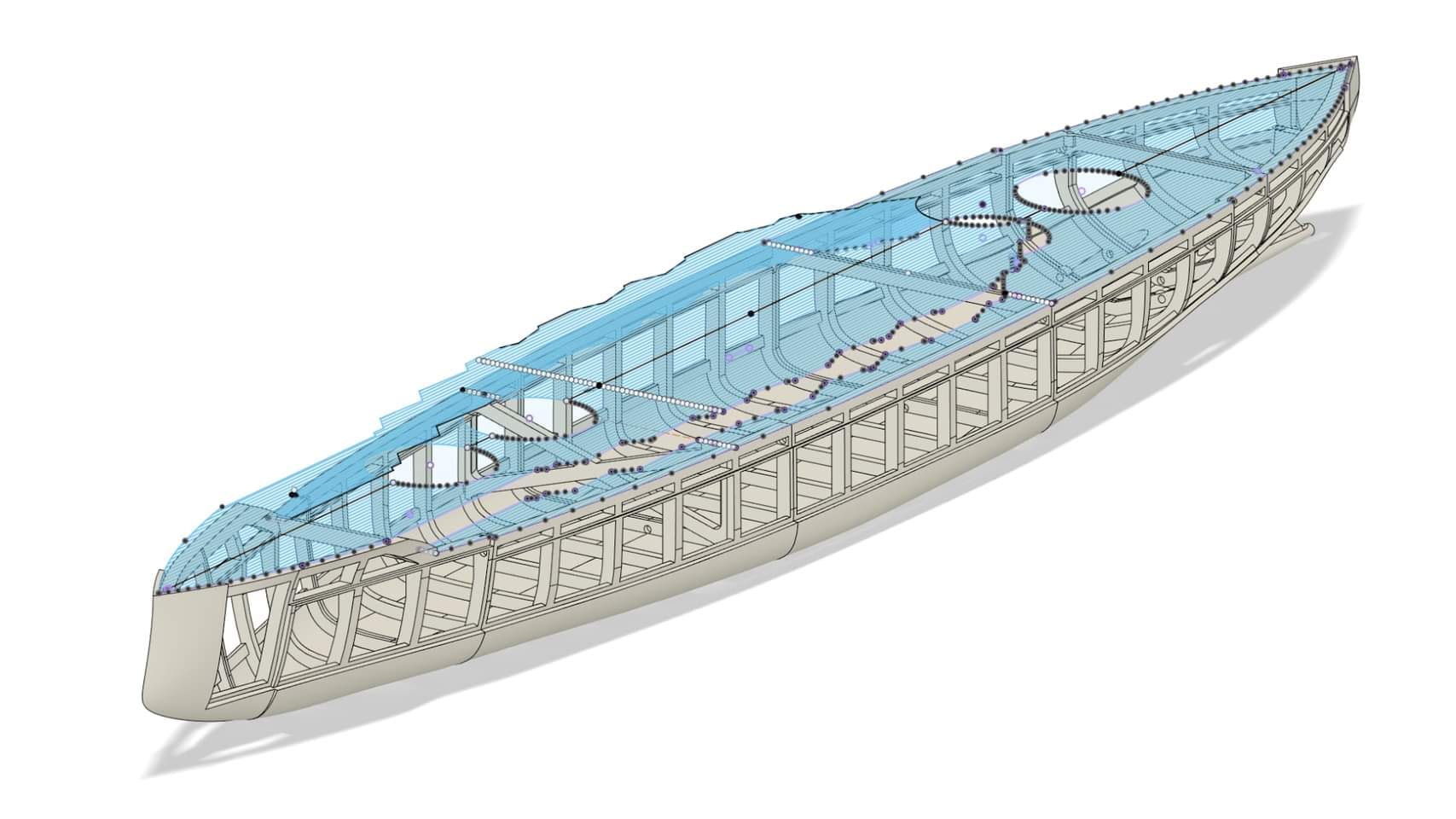
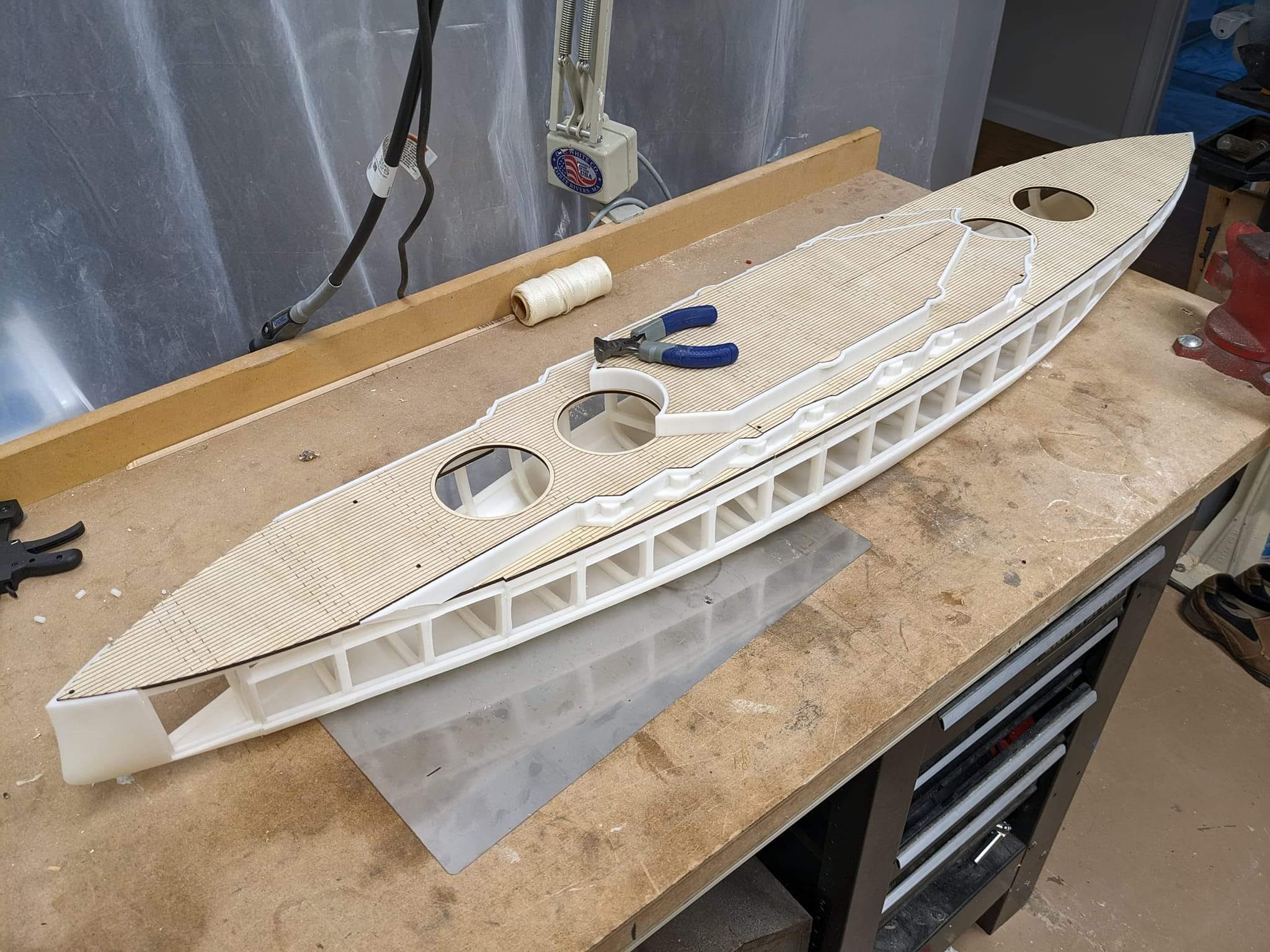
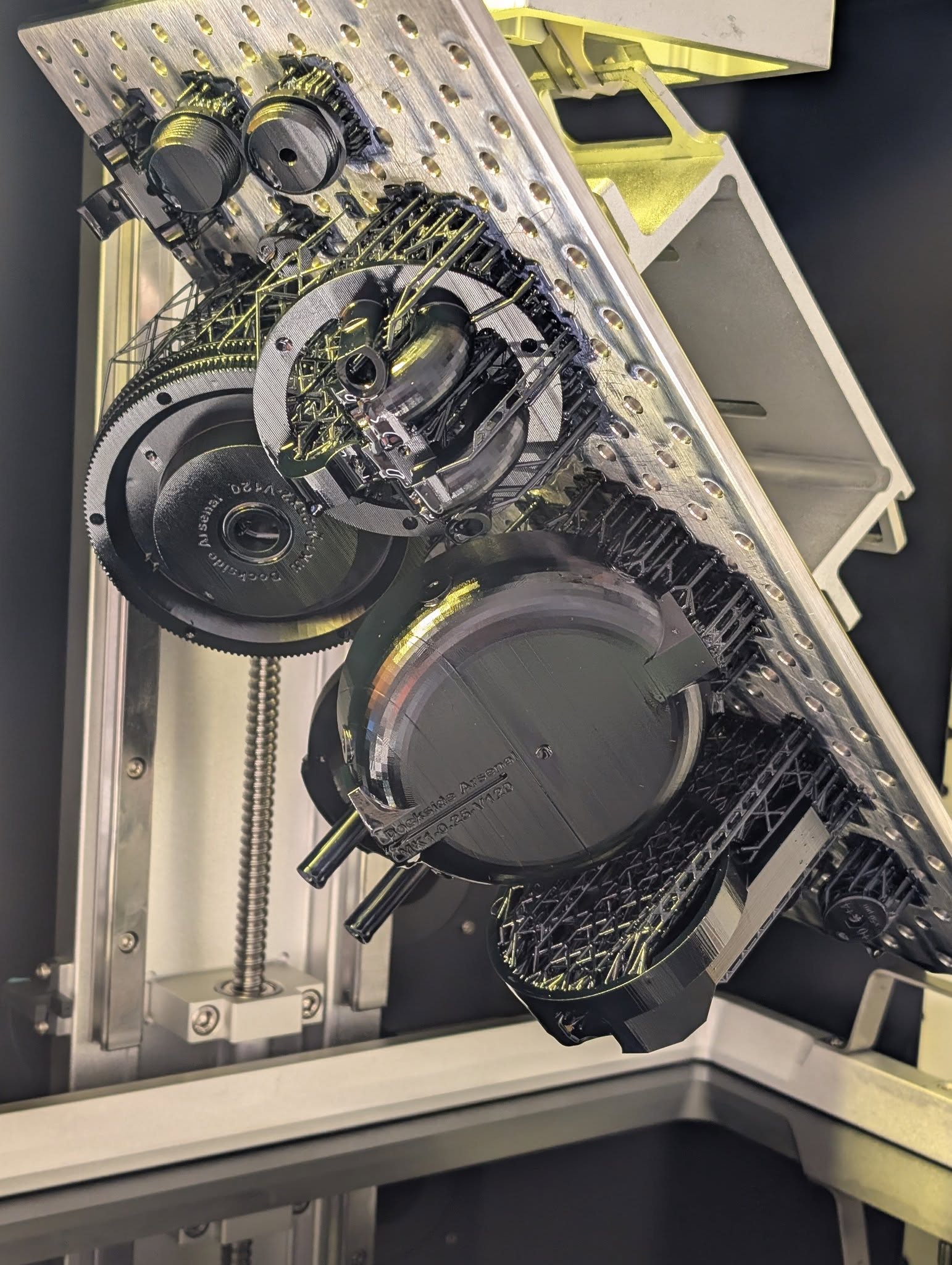
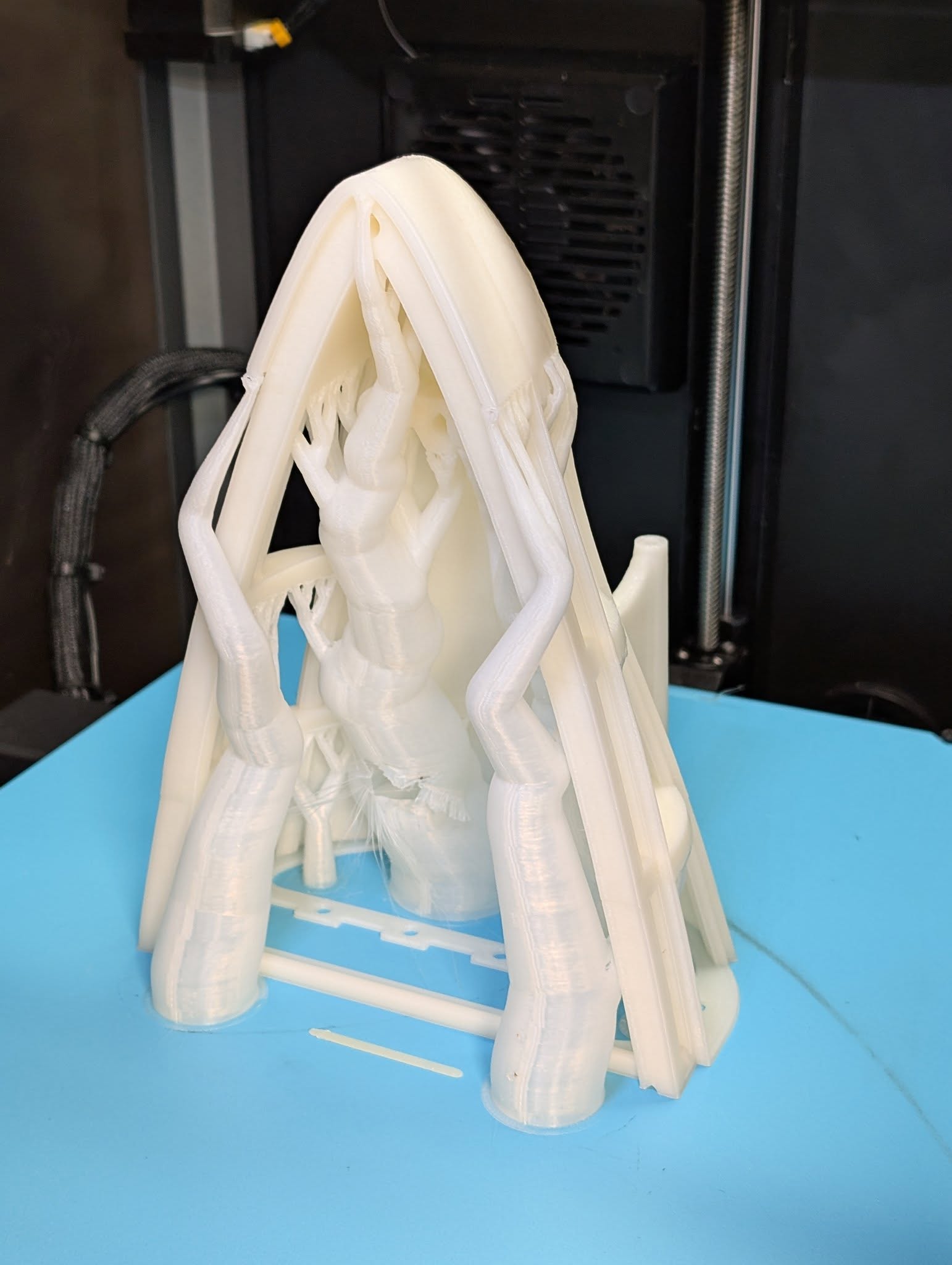
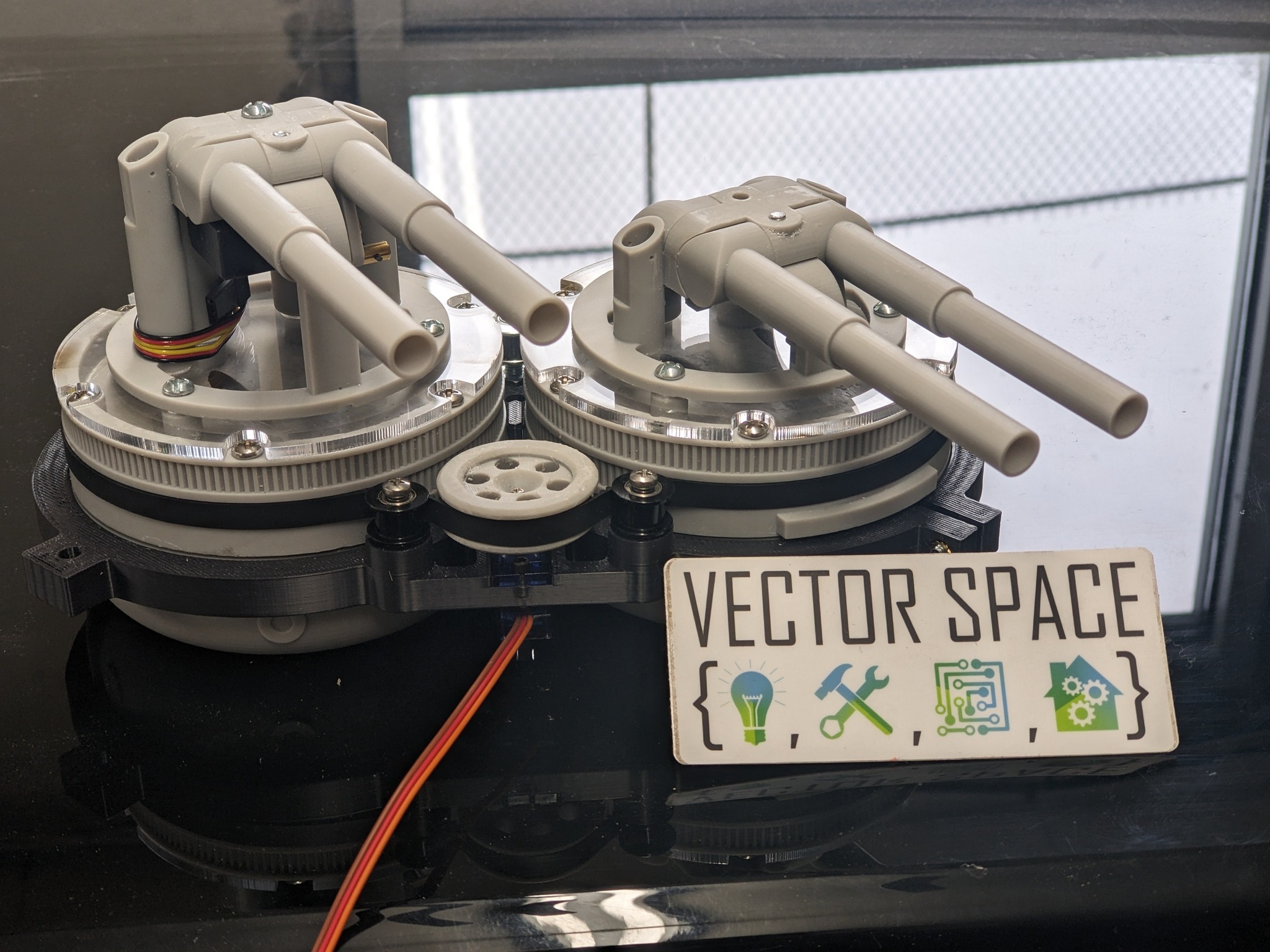
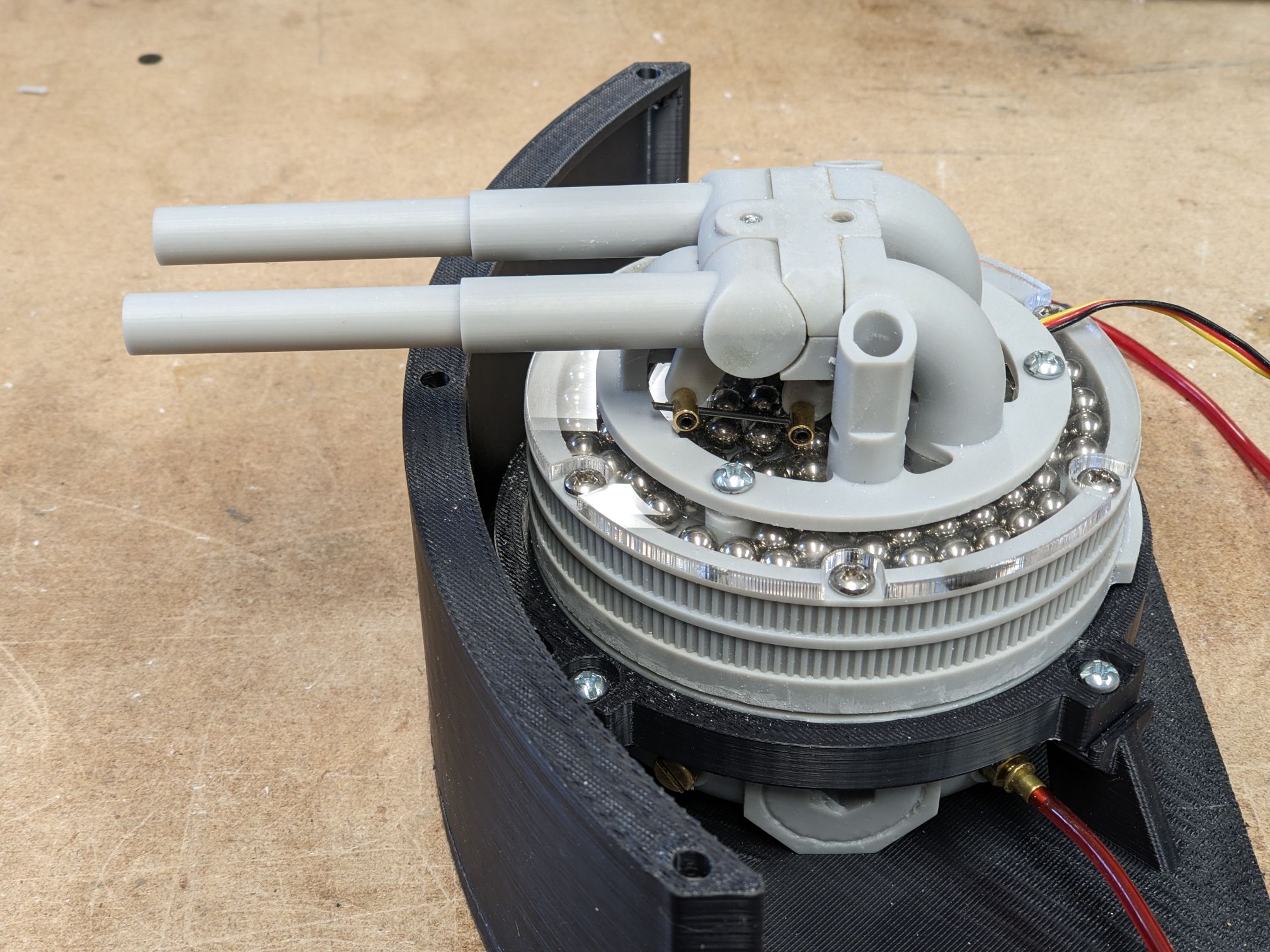
This year our focus will be on how affordable at home 3D printing is transforming hull construction. We will also share updates on the 3d cannons we showcased last year. While the ships and their cannons are the stars of the show we also hope to give some visibility into the iterative process of solving challenging engineering problems.
As always, we also plan to have cannons on hand you can fire yourself!
Mid-Atlantic Battle Group
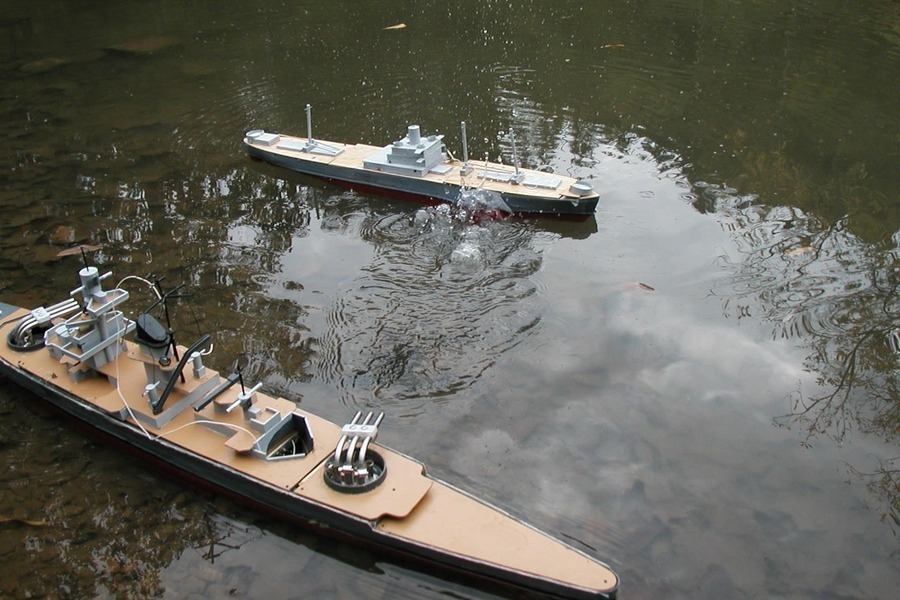
We are a Big Guns R/C Warship combat club with members in Virginia and the surrounding states.
More Maker Info
https://mabg.org/More Event Info
More Project Info
https://mabg.org/
What inspired you to make this project?
For me personally: As a child I loved building and playing with plastic battleship models. Unfortunately, I frequently had to move and couldn't take the models with me. Each time I moved I would sail them on whatever river/pond was nearby and sink them with rocks, and later bb guns. (I threw out the pieces when I was done) I always dreamed about how fun it would be if they sank themselves. When I graduated from Virginia Tech in 1997 it was the first time in my life I had any disposable income. So I went looking for a hobby. I discovered R/C warship combat and knew immediately I had found my hobby. The closest club at the time was in Indiana. I travelled out there, learned what I could, and started a local club in Virginia.
The hobby hasn't had a commercial supplier of cannons or good hull kits for a long time now. Several of us have been working hard to make 3D printable cannons and hulls. We hope to have examples from multiple clubs at the booth this year. Progress has been slow since everyone does this as a hobby. However, things really feel like they are starting to come together from several different angles.
What are some of the challenges you have encountered and how did you address them?
Historically, our hobby was very dependent on post-WWII era industrial manufacturing techniques. Unfortunately, people familiar with those techniques are increasingly hard to find. Another problem is our ships require have lots of different types of problems to solve. Making hulls is very different than making cannons, which is very different from wiring the electronics, which is nothing like running pressurized pneumatics, etc.
The first step in moving forward was really getting an understanding about why things were done the way they were, then challenging old assumptions, and trying to learn the lessons from the past without being restrained by outdated assumptions. We want to benefit from years of experience without also being held back by outdated modes of thinking.
Another huge challenge has been learning about various technologies that are available to makers today. We had to figure out which technologies make the most sense to solve each problem. This has required leveraging communities online and locally to learn from what other people are making. Makerspaces and similar communities provide collections of people in one location who can share ideas with each other.
After finally understanding each problem, how it has been solved in the past, and deciding what modern maker technologies are a good fit we still have to learn how to use them. We have had to learn how to use computer aided design software to generate models, understand the limitations of FDM printers, resin printers, laser cutters, etc. It has been a case of 'slow and steady wins the race'. You just have to keep doing the next step even when it is a small one. This is another area where communities like our club and local makerspaces have been a huge help. No one wants to show up to the next meeting with nothing to show. That can be a nice motivator. Similarly, if someone seems stuck the other members can help them get through whatever optical has slowed progress; often times that is as simple as an encouraging word to restore motivation.